If your handset has gone quiet, mumbly, or crackly, you’re probably weighing up speaker repair against a full replacement. It’s a fair question; one option can cost far less than the other, and picking the wrong one can mean paying twice. In this guide, we’ll walk through what actually causes phone speaker problems, how repair differs from replacement, and how to decide which one fits your situation and your budget.
What Causes Phone Speakers to Stop Working?
Before deciding between mobile phone speaker repair and a full replacement, it helps to know what’s actually gone wrong. Speaker faults generally fall into a handful of categories, and the cause usually determines the fix.
01 - Debris
Dust and debris in the speaker grille. Apple’s own troubleshooting guidance for iPhone, iPad, and iPod touch recommends checking whether the speaker opening is blocked or dirty, then cleaning it with a small, soft-bristled brush before assuming the speaker needs service. Pocket lint and skin oils muffle sound long before any component actually fails.
02 - Liquid exposure
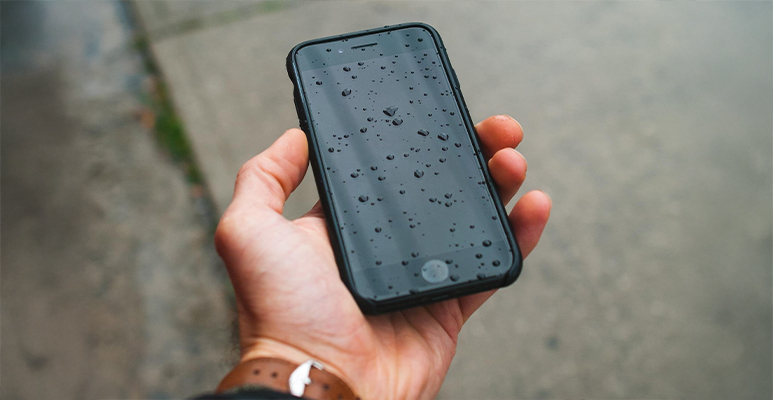
Even a small splash can corrode the tiny speaker driver or the flex cable connecting it to the motherboard. Corrosion tends to worsen the longer it’s left, so a phone speaker not working after a spill is worth acting on quickly.
03 - Software glitches
Sometimes the hardware is completely fine. Audio routing bugs, an accidental Bluetooth connection, or a setting stuck on silent can all mimic a “dead” speaker.
04 - Manufacturing defects
These do happen, even from major brands. In August 2021, Apple ran a free service programme for iPhone 12 and iPhone 12 Pro units that did not emit sound from the receiver during calls, and the program still covers eligible devices for three years after the original sale.
05 - Wear and tear
Speaker drivers are small mechanical components. Years of vibration, heat, and use can wear them down, particularly on phones that are a few years old.
Phone Speaker Repair: What It Involves
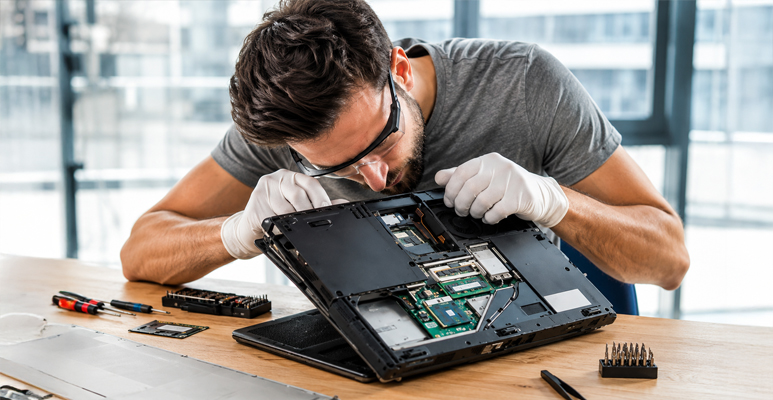
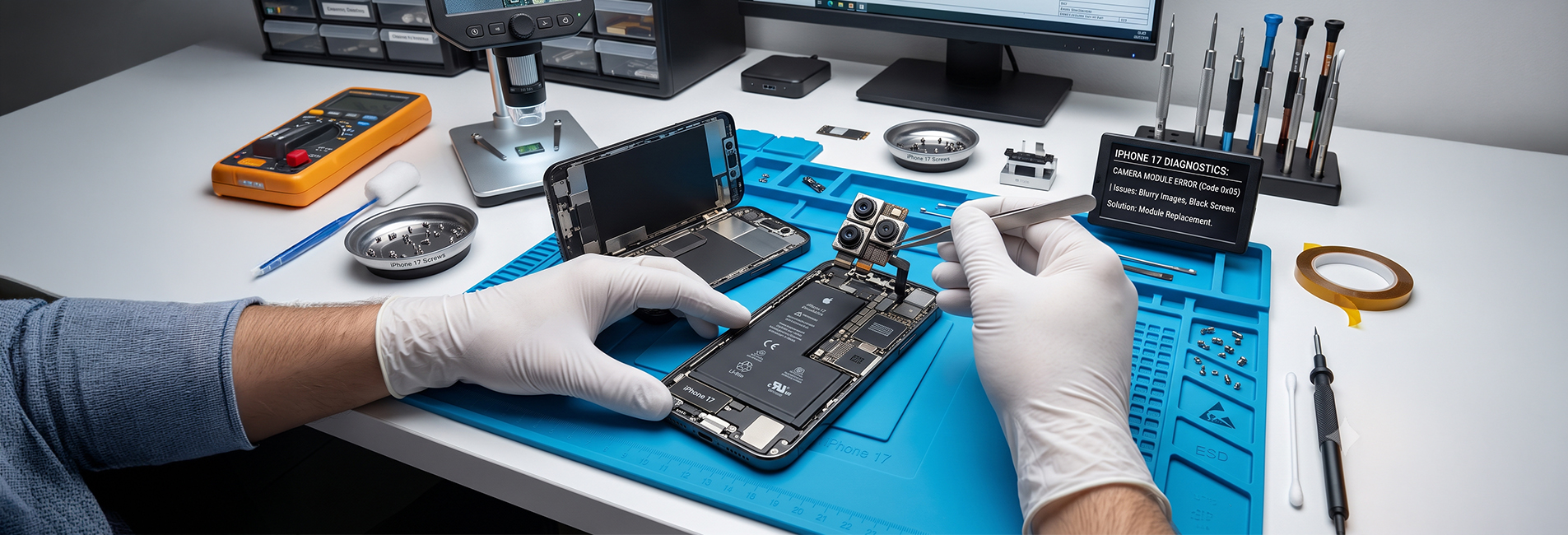
Speaker repair is the process of restoring an existing speaker to working order, or swapping just the faulty component, rather than replacing the whole handset. A typical mobile speaker repair service follows a similar pattern regardless of the device brand.
- Diagnosis first. A technician tests each speaker; most phones have at least two: an earpiece receiver and a louder external speaker, to work out which one is affected and why.
- Cleaning and inspection. If debris or corrosion is the issue, a cleaning and inspection may resolve it without any parts being replaced at all.
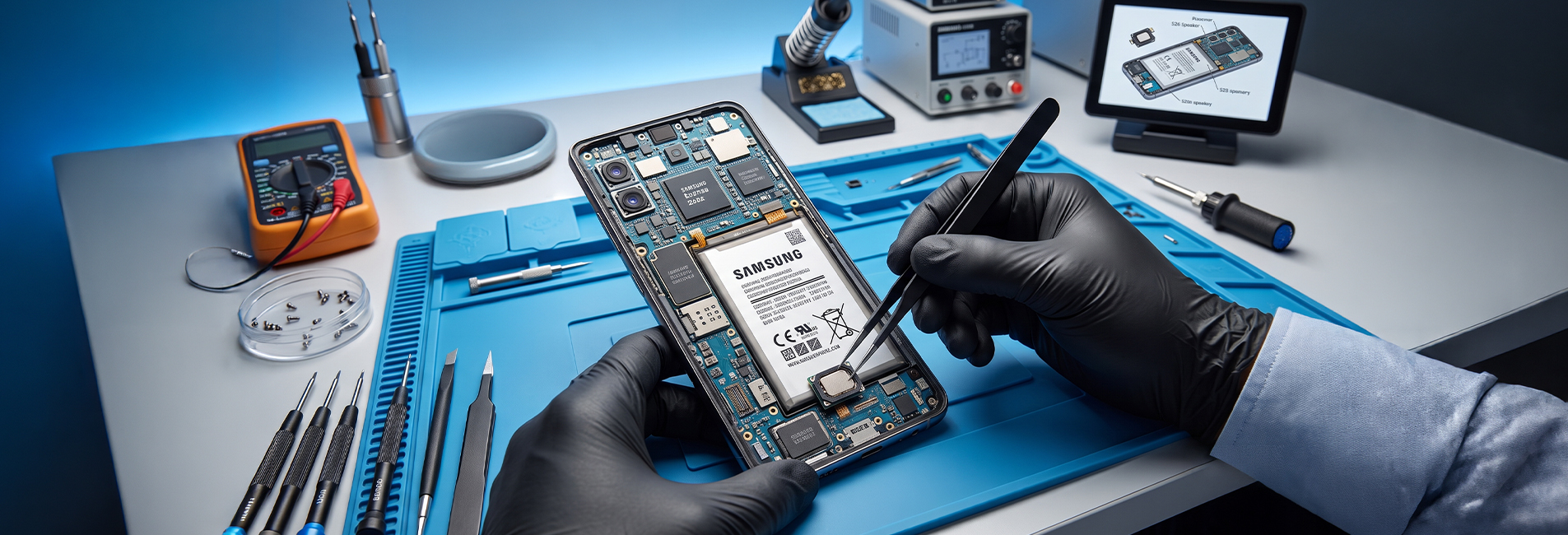
- Component-level replacement. Where the speaker driver, flex cable, or connector itself has failed, only that part is replaced. The screen, battery, and board stay untouched.
- Testing before handover. A proper smartphone speaker repair always ends with a sound check across calls, media playback, and speakerphone mode.
Because only the faulty part is touched, repair is usually quicker and less invasive than a full unit swap, and it’s the standard first step most repairers will recommend.
Not sure what's wrong with your speaker?
A quick diagnostic tells you exactly what’s causing the problem, before you spend a cent on parts you might not need.
Phone Speaker Replacement: When It's Necessary
Phone speaker replacement means the entire speaker unit, sometimes along with its flex cable and housing, is swapped out. This is the right call in a few specific situations:
- The speaker driver itself is physically damaged or “blown,” rather than just dirty or loose.
- Liquid damage has caused corrosion that a clean can’t reverse.
- The fault sits in a component that isn’t sold or serviced individually, so the whole assembly has to go.
- A previous cheap or non-genuine part has already failed and needs upgrading to a proper replacement.
Replacement costs more than a simple clean or connector fix because it involves a physical part and, on many modern phones, more careful disassembly around adhesives and small screws.
Phone Speaker Repair Cost: What Affects the Price
There’s no single figure for phone speaker replacement cost, because it depends on several things: the phone model, whether it’s the small earpiece speaker or the larger external one, whether genuine or compatible parts are used, and how much disassembly the model requires.
Know your rights: under the Australian Consumer Law, if a business agrees to repair a faulty product, it’s reasonable to expect it to cover the parts and labour of a repair, but not to upgrade them beyond what’s needed to fix the actual fault. That’s a useful yardstick when comparing quotes.
The best way to know what you’re actually looking at is a proper diagnosis and a written quote before any work starts, there are no surprises, and you can compare repair against replacement with real numbers instead of guesswork.
Repair vs Replacement - Which Should You Choose?
Once you know the cause, the decision usually comes down to three things: cost, timeframe, and what happens to your old device.
- Cost. A clean, connector fix, or single-component swap is almost always cheaper than replacing an entire speaker assembly, and both are typically far less than buying a new phone outright.
- Turnaround. Straightforward repairs, cleaning, reseating a connector, and swapping a driver are usually same-day jobs. Full assembly replacements can take a little longer if parts need to be sourced for your specific model.
- Environmental impact. Australia’s Department of Climate Change, Energy, the Environment and Water reports the country generated 511,000 tonnes of e-waste in 2019, with that figure expected to grow by almost 30 per cent to 657,000 tonnes by 2030. Keeping a phone running through repair, rather than discarding it, is a small but genuine way to keep that number down. In Victoria specifically, e-waste has been illegal to place in household rubbish or landfill since 1 July 2019.
As a general rule, if the fault is cleaning, software, or a single connector, repair first. If the driver itself is physically damaged or corroded beyond saving, replacement is the more reliable long-term fix.
Common Signs Your Phone Speaker Needs Attention
- No sound at all from calls, media, or notifications.
- Sound only through headphones or Bluetooth, never the built-in speaker.
- Crackling, distortion, or muffled audio that doesn’t clear up after cleaning.
- Sound works for music but not during phone calls, often pointing to the earpiece receiver specifically.
- Visible damage near the speaker grille, or a phone that’s been dropped or exposed to liquid recently.
iPhone Speaker Repair: What's Different
iPhone speaker repair has a couple of quirks worth knowing about. Apple’s own support documentation recommends checking the Ringtone and Alerts slider in Sounds settings first. If it’s dimmed or produces no sound when adjusted, the speaker itself may need servicing rather than a settings fix.
It’s also worth knowing where you stand on warranty. Apple’s standard limited warranty generally covers manufacturing defects, but accidental damage and everyday wear and tear typically sit outside that cover, which is exactly why third-party repairers exist, and why getting an independent quote before booking an official out-of-warranty service is worth doing. Whichever path you choose, your consumer guarantee rights under Australian law don’t disappear just because a device is out of its manufacturer’s warranty period.
The Bottom Line
Most phone speaker problems don’t need a full replacement; cleaning, a connector fix, or a single component swap solves the majority of cases, and phone speaker repair is usually the faster, cheaper, and more sustainable option. Replacement earns its place when the driver itself is physically damaged or corroded beyond repair. Either way, a proper diagnosis before any work starts is what actually saves you money, not guessing.
If your phone’s speaker has gone quiet, muffled, or distorted, the team at Jazzy Mobiles can diagnose the issue on the spot, with most straightforward repairs completed the same day. Drop in for a diagnostic before you decide between repair and replacement; it’s the difference between an informed decision and an expensive guess.
Frequently Asked Questions
Is it cheaper to repair or replace a phone speaker?
Phone speaker repair is almost always cheaper, since it usually involves cleaning or swapping a single component rather than the full speaker assembly. Replacement costs more because it involves a complete part and, on many phones, more disassembly.
Can a phone speaker fix itself without any repair?
Sometimes, yes. If the issue is a software glitch, an accidental Bluetooth connection, or a mute/silent setting, restarting the phone or checking your audio settings can resolve it with no repair needed at all.
How do I know if my speaker just needs cleaning or is actually broken?
Try cleaning the speaker grille with a soft, dry brush and check your volume and Do Not Disturb settings first. If sound is still missing, muffled, or distorted afterwards, it’s likely a hardware fault that needs a technician’s diagnosis.
Does getting a phone speaker repaired by a third party void my warranty?
It can affect a manufacturer’s warranty on that specific component, but it doesn’t remove your consumer guarantee rights under Australian Consumer Law, which apply regardless of who performs a later repair.
How long does a phone speaker repair usually take?
Straightforward repairs, such as cleaning or a connector fix, are typically completed the same day. Full assembly replacements may take longer if a specific part needs to be sourced for your model.
Ready to get your speaker sorted?
Whether it’s a quick clean or a full component swap, getting the right diagnosis first saves you time and money.